How to Vacuum a Hand-Knotted Rug

A large area rug is an investment, so it’s certainly something you’ll want to care for in the best way possible. You know you need to clean it, but how? Can you vacuum it? Serafian’s is here to answer all of your questions!

What is a Hand-Knotted Rug?

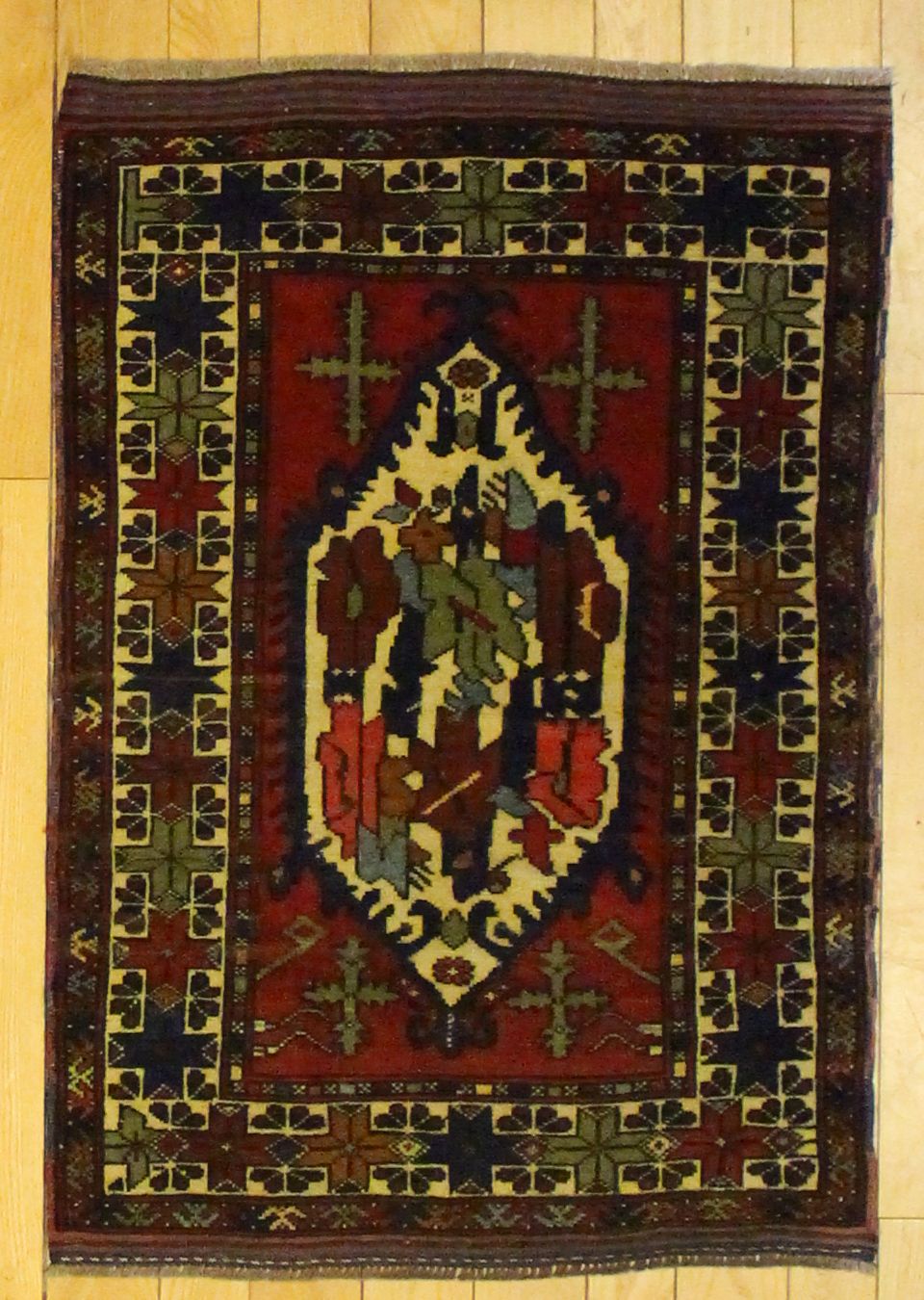
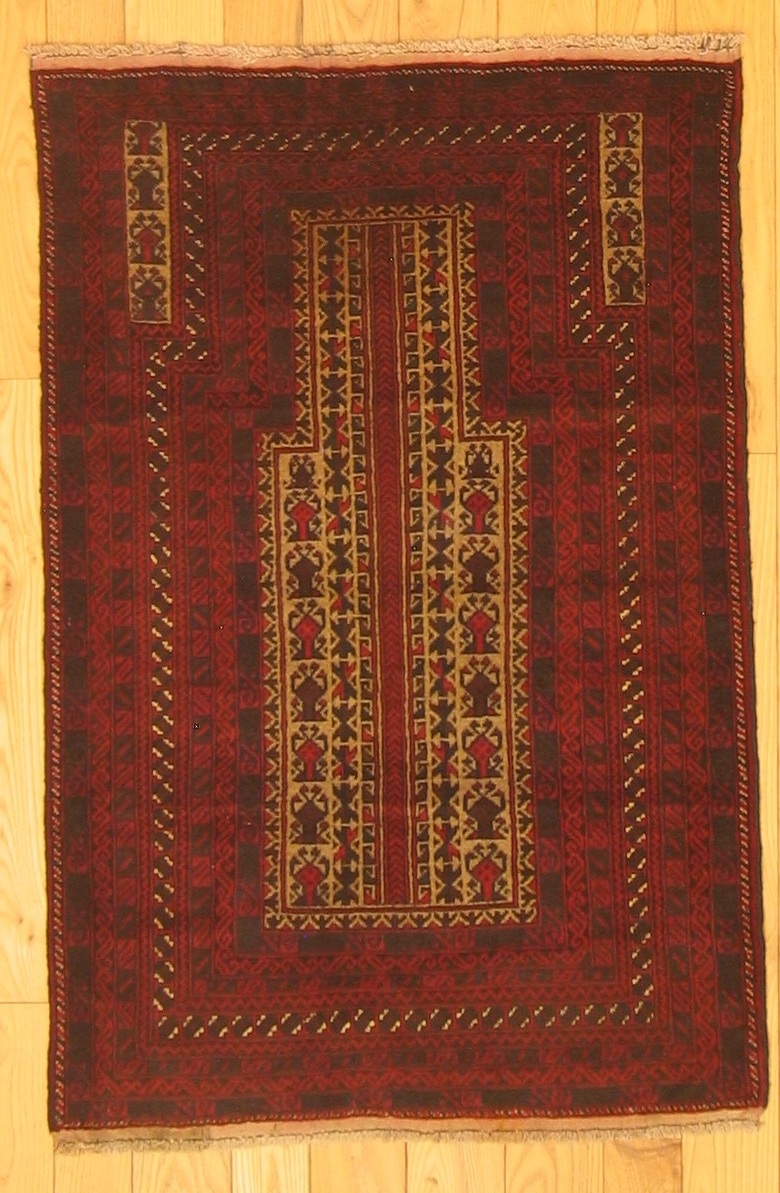
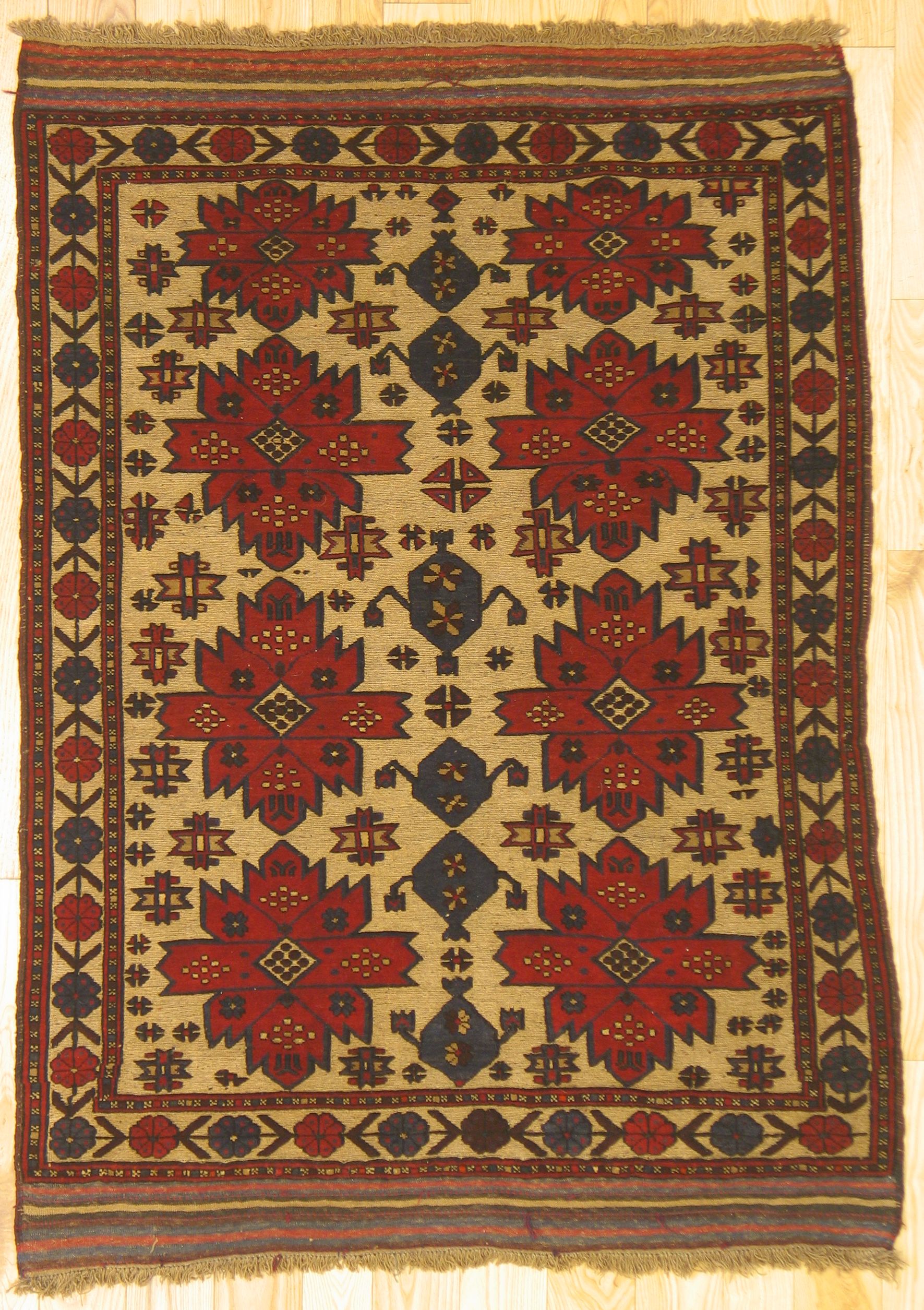
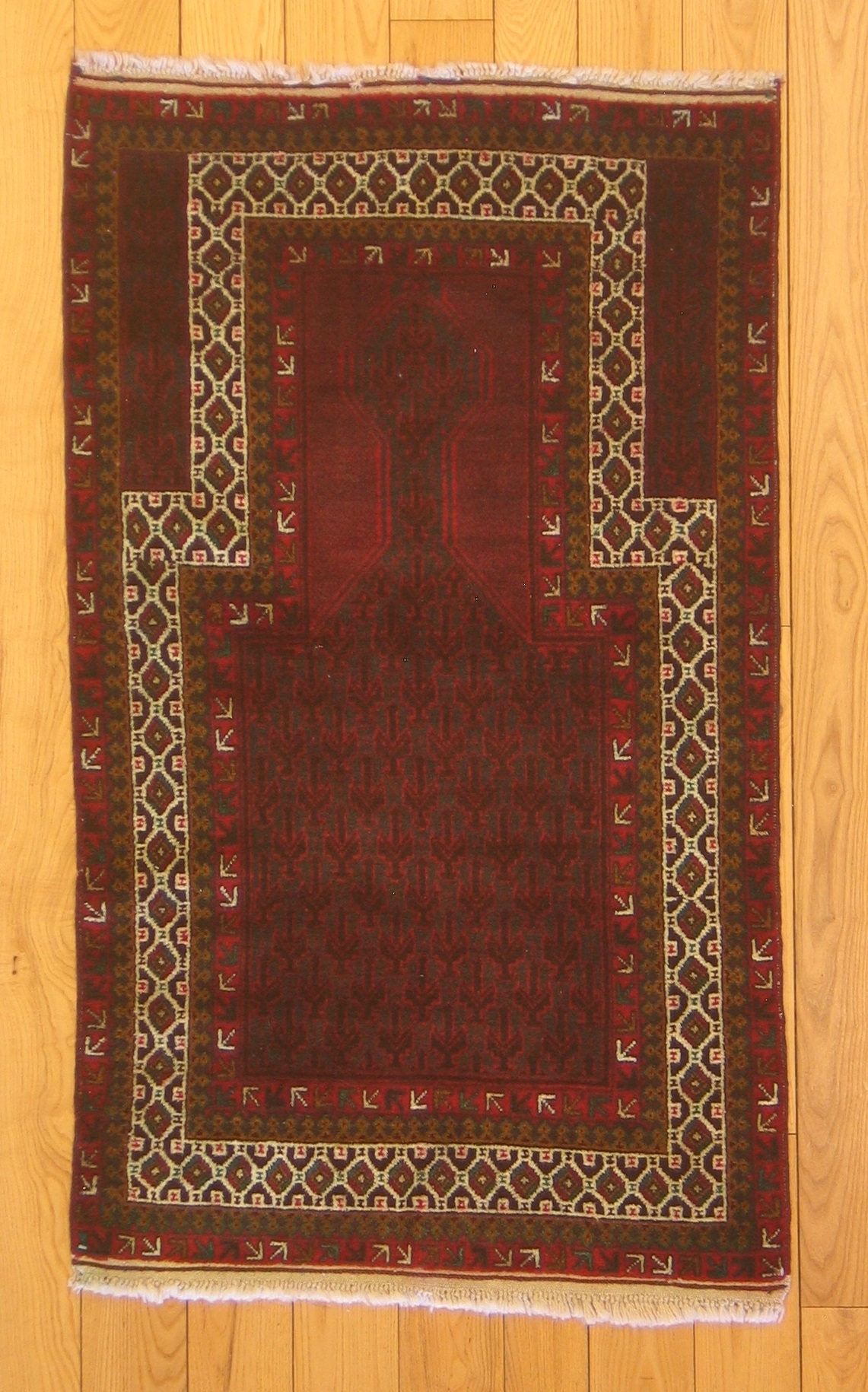
Hand-knotted rugs are thousands or millions of knots individually tied to a foundation. Wow! That’s pretty incredible! Hand knotted rugs are typically made from natural materials like wool, silk, cotton, bamboo, jute, or a blend of different fibers. The use of these top-quality materials together with a complex hand weaving technique give a hand knotted rug a remarkable amount of strength and durability.

Hand-knotted oriental rugs are more than just a floor covering. They are an art form with a history spanning thousands of years and a wide variety of cultures. These handmade rugs are used as protection from the elements, decoration for dwellings, objects of desire, and family heirlooms for people from all walks of life.

How to Vacuum a Hand-Knotted Rug

In order to care for your hand-knotted rug well, you’ll need to follow these four pieces of advice:

#1 Vacuum Regularly

It is important to note that this means using the suction of the vacuum, but never using a beater bar or brush. Scraping is not good for the rug! Either turn the brush off or just use the attachments. Following up with regular TLC will make a difference in how often the rug needs to be sent for professional cleanings.

#2 Avoid the Fringe

Many hand-knotted rugs have fringe. Never, ever vacuum the fringe! The continued catching of the fringe in the suction of a vacuum cleaner causes the fringes to break and tear.

#3 Don’t Forget the Underside

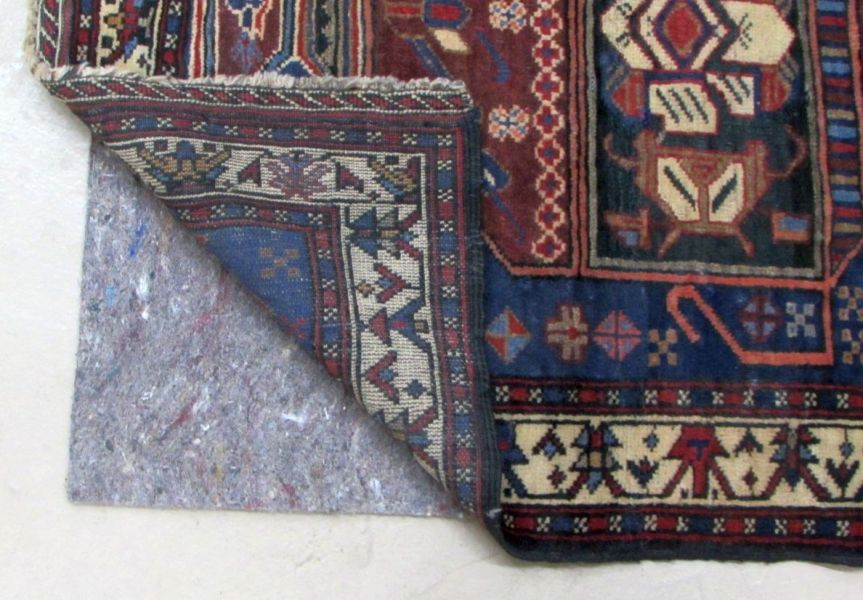
If your rug is small- to medium-sized, it’s a good idea to flip it over and vacuum the underside. This should be done about every six months. This step helps to remove dust and also ensure there is nothing nasty deeply embedded in the wool fibers.

#4 Be Gentle

You want to gently suction the rug, so don’t use an overly-powerful tool. You don’t want the wool fibers to start shedding!

Trust Serafian’s for Your Rug Care Advice

We are the best place to buy a rug in New Mexico. That is because we don’t just sell you a rug, we help you care for it as well! We offer a plethora of rug care education and advice. We know buying and caring for an Oriental rug can be an intimidating process. You don’t need to be an expert to find the rug that suits you, but we feel education is a great way to begin the experience of purchasing and owning a fine area rug.

Our rug professionals have built a wealth of knowledge through decades of experience. We enjoy sharing and guiding our customers towards understanding the vast history, tradition, and craft surrounding the world of these beautiful and time honored works. We encourage you to contact us with any additional questions you may have about the best way to care for your hand-knotted rug

How to Protect Your Carpet During Parties

You put a lot of effort into finding and buying the perfect new Oriental rug for your home. A new rug is an investment! While we price our rugs very reasonably, this is still a luxury home purchase and one you want to take care of. This can make it scary when you invite outsiders to your home for a party. The last thing you want is red wine spilled on your rug or food dropped on it and stepped on to smash it in. Is it possible to have friends and family over to your home while also keeping your beloved area rug in good condition? It is!

Before the Party

Have your rugs professionally cleaned a few days before the party. This isn’t just to make your home look cleaner. If your guests see how immaculate your rugs are, they are more likely to be very careful with their food and drinks so as not to spill any. If they see your rugs are stained already, they probably won’t think it’s a big deal if they spill too!

As well, create “no walking” zones in your home and block off access to these areas. This is recommended if you’re highly concerned about a particular rug. Simply don’t let people go near it!

During the Party

The day of the big party has finally arrived! During the party, walk around and politely ask guests to move drinks or food away from your area rug if you notice that they are positioned in a way that could lead to a spill. You probably will only have to say it once, so don’t worry that you’ll be stuck monitoring the event instead of enjoying yourself.

As the party is winding down, get into cleaning mode. Grab a big garbage bag and throw away any half-finished food or drinks as people are saying their goodbyes and moving towards the door. This greatly limits the chances of an accidental spillage.

Remember, if there is ever a problem you can bring your rug to Serafian’s in New Mexico for expert rug cleaning and restoration. While regular vacuuming and quickly cleaning spills are important for maintaining your fine area rug, these methods are only sufficient for keeping the surface of your carpet clean. A stain or spill requires professional care in order to truly remove it. We utilize specially-built equipment that replicates traditional methods of cleaning fine oriental rugs while also utilizing the top modern technology available. Our total immersion process removes the maximum amount of dirt and contaminants, returning your beloved rug to its highest level of beauty. At the same time, this method also gently prevents any damage. 

Try your best to keep your rug clean and clear of damage, but we all know that life happens. Should an accident at your next party occur, bring your rug to us and we’ll get it back to a like-new condition!

4 Expert Advice and Tips for Choosing the Right Rug Color

Rugs are a great way to add new color to any room of the house. The right rug for your space will bring the whole room together and create a space you love. But, how can you find the right wrong? It isn’t hard to do, especially if you follow our advice!

#1 Consider the area it is going in. You want the rug to be the centerpiece of the room, which means taking the room itself into account. For a rug that’s going to last, you’ll want to make sure it can hold up to your lifestyle. A dark-colored, patterned rug will hide stains or dirt in high-activity areas like your living room. While you probably don’t want a light colored rug under your dining room table, this same rug would look fabulous in your bedroom where you don’t spill or track dirt.

#2 Think about the color of the floor. This rug is big, but you’re still going to see some floor around the edges. This is why one of the most important factors in choosing a rug is the color of the floor it will be placed on. Choosing a rug that contrasts well with the floor can do a lot to liven the space up. If you have dark wood flooring, a brightly colored rug will stand out nicely on top of it. Just the same, a dark, bold, or richly-colored rug will balance out more lightly colored flooring. 

#3 Decide what you want to stand out in the room. Do you want the rug to be the focal point or accentuate something else in the room? If you want your furniture, curtains, or painted walls to be the main focal point of a room’s design, then pick a neutral, solid colored rug. On the other hand, an eye-catching, patterned rug can brighten up a more bland space and be the focal point of the room’s color design. If you choose one of these rugs, you want to make sure you then select more plain curtains, pillows, and other accent pieces. 

#4 Match a secondary color. You don’t want everything in the room to be the same color. That’s why we encourage you to match your rug to an accent color in something else already in the space. For a living room rug, you would want to make sure it complements your sofa color, as well as matches to the accent colors in the room. Let’s say your couch is brown and your curtains are brown and beige. Our Adler White Sand rug would be perfect to bring out those hues!

A new rug is an investment! At Serafian’s, we don’t just sell rugs in New Mexico. We are leaders in the industry, so we make it our mission to educate and inform shoppers as to the best way to buy a new rug. We want you to shop with confidence so you end up absolutely loving your ultimate choice!

3 Mistakes to Avoid When Choosing Rugs

Any time you’re making a big purchase, you want to take the entire purchasing experience seriously. You wouldn’t simply show up to a car dealership and point to the first vehicle you see. You would do your research and dedicate time to finding the perfect option. Just the same, a new rug is an investment! While we price our rugs very reasonably and they certainly aren’t the same cost as a car, this is still a luxury home purchase and one you want to take the time to do right. 

At Serafian’s, we don’t just sell rugs in New Mexico. We are leaders in the industry, so we make it our mission to educate and inform shoppers as to the best way to buy a new rug. We don’t want you making any mistakes that may lead to you regretting your ultimate choice! With this in mind, here are a few common mistakes you’ll want to avoid making as you shop:

#1 Undersizing. Before you can move on to the fun part, finding a rug you think is good-looking, you must first know the size you’re shopping for. It would be a big mistake to shop for as small a rug as possible in order to save money. Undersizing makes the entire room look awkward. What you save in cost, you will lose in atmosphere! You want the rug to be large enough to be the centerpiece of the room, with all of the furniture resting partially on top or centered in the middle.

#2 Shopping too late in the decorating process. Often, the decision to buy a new rug comes because you are revamping your space. Hunting for an area rug can be one of the most enjoyable parts of the design process. After all, this rug will play a major role in defining the aesthetic of the room. Because a rug is such an eye-catching decor item, it is a mistake to wait to choose your design after paint, furniture, and other accent pieces have already been chosen. A rug should be one of the first things chosen when redecorating a space, not an afterthought.

#3 Mixing patterns. When you browse our online catalogue, you will see we have many design styles to choose from. Some have very bold, beautiful patterns. If you choose one of these rugs, you want to make sure you then select more plain curtains, pillows, and other accent pieces. When done incorrectly, mixing patterns can go bad really quickly. It’s best to leave your rug as the centerpiece and not try to have any other item compete with it.

The right rug for your space will bring the whole room together and create a space you love. By keeping these common mistakes in mind, you can be sure to avoid them. Before you know it, you’ll have found the perfect rug for you and love the way your home looks!

6 Worst Substances That can be Spilled on Your Rug

As they say… life happens. No one expects to spill and ruin their Oriental rug, but that’s why they call it an accident! That doesn’t make the stain any less bad or the rug any less ruined though! In order to avoid a terrible day and a lot of wasted money, here are a few substances you’ll want to keep far from your rug:

#1 Tomato Sauce

This natural red dye needs to be attacked as soon as possible. Quickly grab a clean towel and blot the stain. Do not rub it! A gentle carpet cleanser can often treat the stain, but you can always contact us if that doesn’t work.

#2 Wax

You may not think twice about lighting candles around your rug, but this is a mistake. Wax quickly hardens when it dries, attaching itself to carpet or rug fibers. Try to heat up the wax again to liquify it, being careful not to spread it. Dab it with a cleaning solution in order to remove any discoloration left.

#3 Coffee

Coffee’s proteins are very hard to remove by the average homeowner. These stains are best removed by the rug cleaning professionals at Serafian’s.

#4 Wine

Who doesn’t love a nice glass of red wine? Well, your rug! Wine is much harder to remove when it’s dry. For this reason, a wine stain needs to be handled as soon as it occurs.

#5 Nail Polish

This harsh chemical is incredibly hard to remove, especially when dry. It will require steam and special tools to remove this stain, so you’re better off reaching out to professional rug cleaners to help you handle this.

#6 Bleach or Other Cleaning Supplies

A harsh cleaning agent, like bleach or other chemicals, can quickly stain any surface that’s not already pure white. It works quickly and often leaves permanent damage that even professionals cannot reverse. Always remember to clean far away from your Oriental rugs, so you don’t risk even a drop spilling or splattering onto it.

Learning what to avoid spilling on your rug is only half of it. We recommend having your rug washed every two years. In fact, we so strongly want you to do this that we will wash it at half the normal price if you keep up with your biennial rug cleaning. This is incredibly beneficial to you. It allows us to catch small repairs and other issues before they become big, expensive problems. 

Serafian’s isn’t just the best place in New Mexico to buy a new rug. We also want to educate our shoppers! Our team would love to discuss how to care for your rug once you bring it home. This is just one way we show our dedication to our customers! If you’re in our area, the place to shop and educate yourself is Serafian’s. We are located at 1421 Wyoming Blvd NE Albuquerque, NM 87112 and you can also call us at (505) 504-RUGS (7847).

3 Rules for Choosing the Right Size Rug

Are you in the market to buy a new Oriental area rug? Congratulations! This is going to drastically improve the look and feel of your home. Before you can move any further deciding on a style or color, you must first know what size rug you need. A properly sized rug can bring a room together, but an improperly sized one will make a space look awkward and unbalanced.

This is an incredibly important first step, one you cannot skip. A too-large area rug will make a room feel small and one that is too small will make the space feel awkward. Knocking off any rugs that aren’t the right size cuts down a lot of options, which is actually a good thing. Limiting the choices frees you up and prevents the paralysis of infinite options. You’ll want to keep these three rules in mind:

Rule #1 Match your rug to the shape of the room. 

In general, you want the shape of the rug to match the shape of the room. Because most living rooms are rectangular, living room rugs should be rectangular. If you’re putting the rug in a bedroom or den that is more square, look for a square rug. Putting a square rug in a longer rectangular room will leave an awkward space at one end.

Rule #2 Always leave space between the rug and the wall.

This brings us to our next point: spacing. An area rug should never reach all the way to the wall. This makes the rooms feel much smaller than it otherwise would. Make sure there is at least six inches of floor space between the area rug and the wall. This means you will want to keep the floor measurements in mind when shopping. Choose an Oriental area rug size that will leave a sufficient amount of space between its edges or fringe and all the walls.

Rule #3 Keep furniture placement consistent.

Do you want the rug to be in the middle of open space or have the furniture be on top? Will the furniture be all the way on top or only halfway, like the front legs of the couch on the floor and back legs on the edge of the rug? There’s no correct answer as long as you keep it consistent. Having the couch all the way off the rug and the loveseat all the way on will make the space feel odd and disconnected.

Serafian’s isn’t just a place to buy a new rug. We also want to educate our shoppers! Once you decide on the size of your area rug, we can also discuss how to find a high-quality rug, the history of different rug designs, and even how to care for your rug once you have it home. This is just one way we show our dedication to our customers! If you’re in the New Mexico area, the place to shop and educate yourself is Serafian’s.

3 Things to Think About When Choosing a Rug

If your home could benefit from buying a new rug, you have a lot of options out there. Where do you even begin? Don’t worry! Before you become overwhelmed, we’re here to help. Serafian’s not only sells stunning oritental rugs to those in the New Mexico area, but we also aim to educate our shoppers. This way, you can know you’re making the right purchase decision for you. With a bit of due diligence, you can feel at ease that you are buying a new rug you’ll be happy with for many years to come.

You don’t need to be an expert to find the rug that suits you, but we feel education is a great way to begin the experience of purchasing and owning a fine area rug. With this being said, here is what our experts feel you need to think about when you shop for a new rug:

#1 Size

First things first… you can’t move any further shopping for a new rug before knowing what size you want and need. A too-large area rug will make a room feel small and one that is too small will make the space feel awkward. As a quick example, a bedroom rug should extend at least a couple feet beyond the bed so that when you first wake up in the morning your feet find a soft landing. Knocking off any rugs that aren’t the right size cuts down a lot of options, which is actually a good thing. Limiting the choices frees you up and prevents the paralysis of infinite options.

#2 Color

Once you know what size you’re looking for, it is time to decide on a general color scheme. Your rug won’t be just one color of course, so you’ll need to pick several hues or a style combination. If your room has patterned cushions or drapes already in place, you don’t want a bold rug that clashes. On the other hand, if your space is pretty neutral or monochrome at the moment, you can decide if you want the rug to match or stand out against the canvas.

#3 Quality

You now know what size and what color you’re looking for. The final thing to do is find a rug that is of high-quality design and craftsmanship. This rug is an investment, and one you certainly want to get your money’s worth from. We encourage you to look for a hand knotted oriental rug. These are more than just a floor covering. They are an art form with a history spanning thousands of years and a wide variety of cultures. 

We hope this advice helps point you in the right direction. When you’re ready to make a purchase or if you have any follow up questions, contact the Serafian’s team! We know that buying and caring for an Oriental rug can be an intimidating process. We are located at 1421 Wyoming Blvd NE Albuquerque, NM 87112 but you can also call us at (505) 504-RUGS (7847).

How Rugs are Woven

Hand weaving is much more labor intensive and time consuming than most folks realize. It can take months and in some cases even years to make a good hand woven rug. Today, we’ll talk a little bit about the processes weavers go through to bring you these beautiful works of art.


The first step is materials prep.

Weaving a rug isn’t as simple as plopping down and tying knots. Long before the weaver even sits in front of the loom there is intensive work put into preparing the materials used in the carpet. Proper preparation and grade in materials can make all the difference in a rug’s quality, so care and time are taken.

First the wool is harvested from the sheep. Believe it or not, proper harvesting along with the sheep’s diet and climate factor into wool quality in a big way. The age of the sheep, the part of the body from where the wool was harvested can also make a big difference in the feel and durability of the rug. Generally speaking, sheep from colder climates have thicker coats with softer wool while sheep from dry hot climates have shorter denser coats.

Depositphotos_5087054_original.jpg

Once harvested, the wool is cleaned, carded, then spun. Cleaning is as simple as it sounds. It eliminates dirt and grime from the freshly harvested wool.

Carding is the technique by which the wool is separated and straightened in its texture. To do this, the weavers take two brushes with many small metal bristles and work the wool between them.

Once carded, the wool is spun. It can be spun either by hand or by machine. Hand spun wool will tend to absorb dye at uneven rates and can give the rug a variegated look in the color. Machine spun wool is much more consistent in its tone and thus often used by larger production houses. In terms of quality, neither technique is superior to the other.

Depositphotos_81516354_original.jpg


From there, the next major step is pattern planning and wool dyeing.

Some rugs are woven without a pre-planned design. A lot of tribal rugs are done from memory or even as a free flow pattern that evolves as the weaver progresses. However, most rugs are planned knot by knot in advance. Their patterns sketched out on graph paper or written out in detailed instructions. As a general rule, the more colors a rug uses, the more difficult it is to weave and the more time went into the planning of it.

Once planned, the wool is dyed to the proper colors. Generally speaking, the weavers don’t dye their own wool as dyeing is a process that is reserved for masters. One could study dyeing techniques and methods for years and still not know everything there is to know about dyes and how to properly set them into the wool. If a rose color is too bright, it will look pink and garish. If a blue is too deep, it will read as black and overwhelming in a dark room. Getting the color right makes all the difference in how the rug looks.
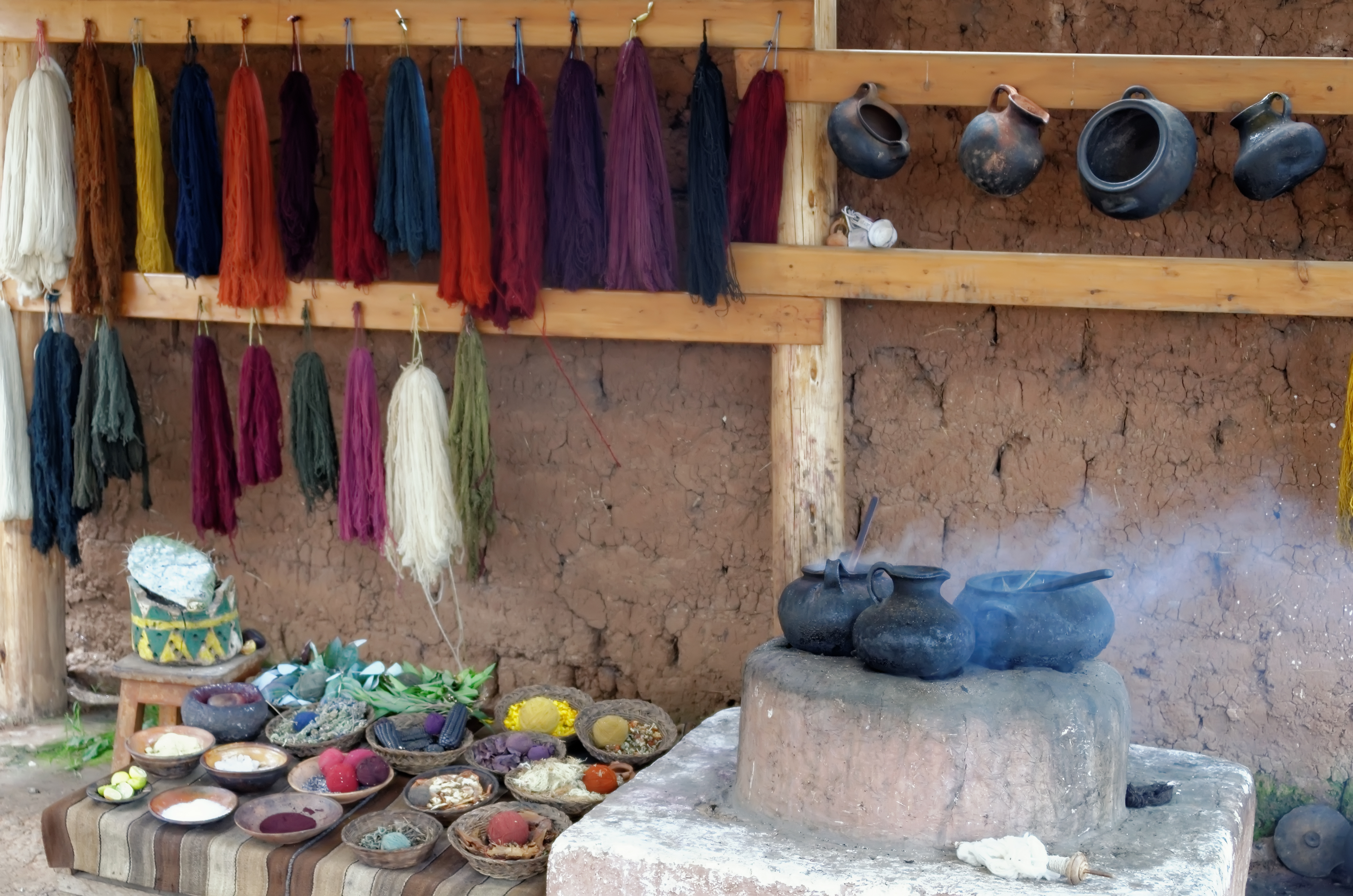
dyeing wool


Once these processes are finished, it is time to start weaving.

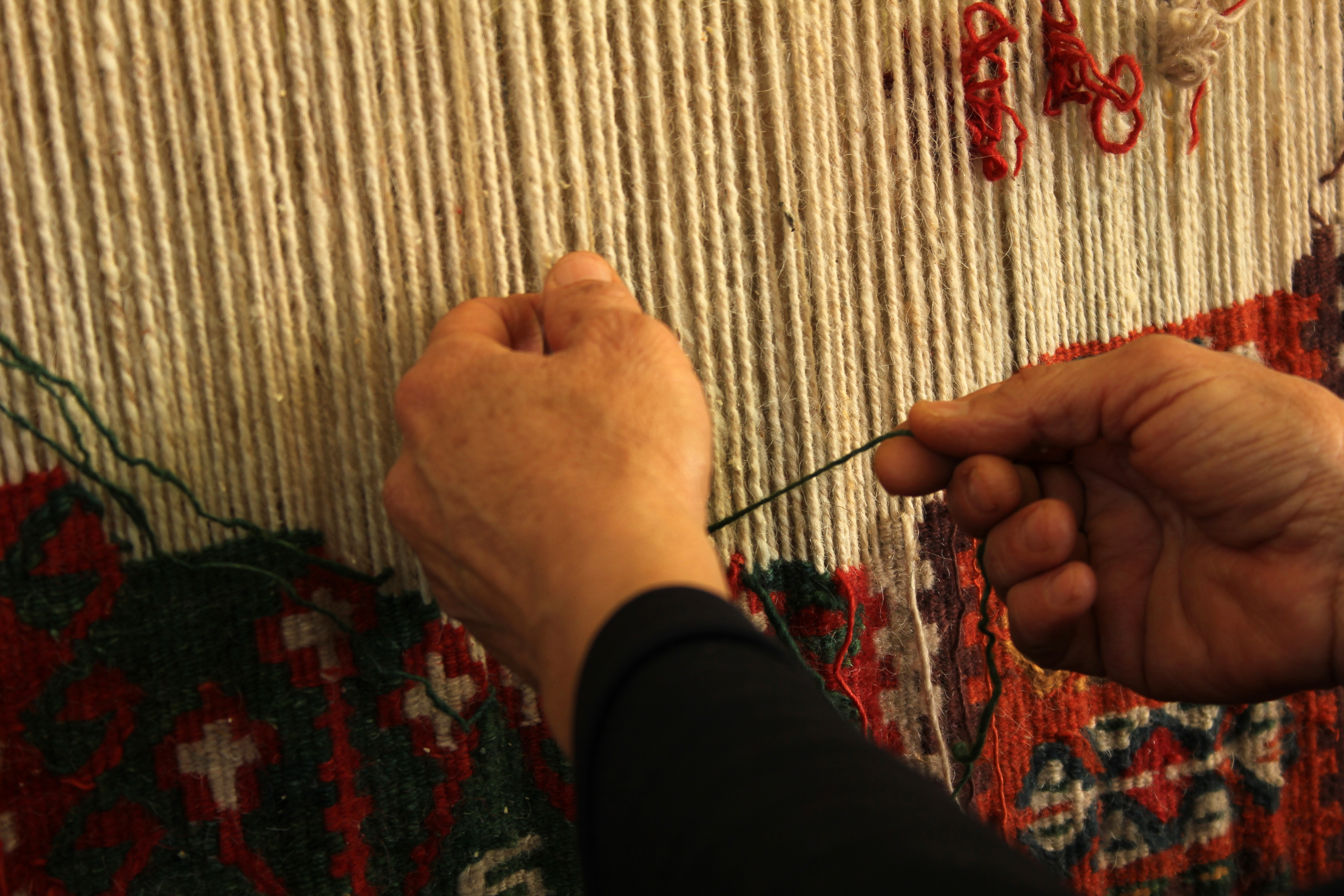
The first step in this is stringing the loom. There are different types of looms, but the basic concept is similar from one to the next. The weaver starts with the warp threads.  Warp threads run from end to end on the rug and generally are the thicker stronger threads onto which the knots are tied or wool is woven through. They need to be strung at set intervals and put under tension in order to keep the rug in proper shape, so while it sounds simple, it is a very important step for the weaver to get right.


Once the loom in strung, the weaving process can finally begin.

Most rugs are either “Knotted” or Flat woven”. Knotted rugs are tied, one knot at a time, building slowly from the bottom of the loom toward the top. Each knot wraps around two warp fibers, ensuring a strong hold and creating tremendous strength and durability in the rug. Knots are added one at a time, horizontally across the width of the rug.  Once a whole row has been tied, a weft thread is worked zig zagging between the warp fibers. This is then pounded down to hold the knots in place. Some rugs have multiple wefts between each row of knots. Most traditional Persian and Turkish rugs use this technique.

Flat woven rugs don’t have knots at all.  Rather their pattern is created by the wefting. In most flat woven rugs, the colored wool is strung zig zagging through the warp threads. These interweaving strands of colored wool creates the pattern in the rug. Much like knotted rugs, flat woven rugs are usually woven one line at a time, though there are techniques that don’t require this. Kelims and Native american rugs are the two most common types of rugs woven using this technique.
Depositphotos_7300538_original.jpg

This step is by far the most involved. The more finely woven and complicated the rug, the longer it takes. Some of the finest Persian rugs can easily take upwards of a year or two to weave. Once the weaving is complete, the rug is cut down from the loom and the finishing processes can begin.


Lastly the rug goes through the final finishing steps.

Finishing includes three major steps, shearing, detailing, and washing. Shearing is done to make the surface of the rug nice and even. Once taken off the loom, the weaver will slowly go over the whole surface of the rug with electric clippers, specialized scissors, or in some cases even curved knives. Using one or more of these tools, they will lightly trim the surface of the rug to ensure the fibers are all even and the surface of the rug is flat.

Detailing is simply the process by which the weaver slowly goes over the surface of the rug checking for any additional work or attention that the rug may need. Is this phase, the weaver may put extra work into the finish or fringe. They may decide to tie extra tassels onto the end, braid the fringes, or even use bits of colored wool to add some depth to ends or sides. Details like this can make a rug stand out as a little more unique and individualized.

As the rug is woven on the loom, it gathers dust, odors, and small bit of debris from its surrounding. As such, it is always important the rug be cleaned before it is taken to market. Cleaning is usually done by a specialist as a final step.  Once all of these steps are done, the rug is finished and ready to take to market.


17203026_1387415551330649_398135536548218379_n By: Matt Gabel

Matt Gabel is the Retail Manager at Serafian’s Oriental Rugs. He has been working closely with rugs for over 25 years.  Serafian’s offers free pick up and delivery in the Albuquerque metro area. For more information, call (505) 504-RUGS or go to serafians.com

Rugs of the World – Baluchi

The Baluchi (alt. Baloch) people inhabit the southern areas of Afghanistan, and the traditional rugs woven by these people are known as Baluchi. Modern Afghani weaving has become more diverse, but traditionally two main types of rugs have come from the country. Turkoman from the north and Baluchi form the south. Both used tribal motifs and dark colors but were separated by a few distinct variables.  

17-030637First, Baluchi rugs tend to be woven without using cable wefts. This gives them a more pliable hand and lightweight feel. They are ideal for rolling up and packing which worked well for many in the region as many Baluchi people tend to be nomadic.

Second, Baluchi rugs tend to use a broader range of colors than their northern counterparts. Where Turkoman rugs are almost always done in reds and blacks, Baluchi tend to also use dark blues, browns, tans, and even sometimes greens.

Third, while there are exceptions, most Baluchi rugs are woven in smaller sizes. This goes back to the idea that they need to be made to be easily transported.

Lastly, many Baluchi rugs use prayer motifs, which are much less common in the Turkoman weaving. Prayer designs are asymmetrical and have a distinct top and bottom. When used in prayer, the top is pointed toward Mecca.

While the look used in most Baluchi rugs is similar, they don’t have a very defined design. They are woven by individuals, and as such have a broad variety of patterns. There are a few motifs that are worth a little extra attention and discussion.

The first is Koudani. These are prayer designs that tend to be more detailed and finely woven. Distinct “towers” dot through the field of the design. These represent prayer towers and always are oriented so that the tops of the towers point toward the head space on the rug.

12-100307
Koudani rugs are almost always prayer designs.

Second on this list is Moshwani. Where most Baluchi rugs use traditional knotting through their field, Moshwani are distinct in that they combine three or more types of weaving throughout the field of the rug. Traditional hand-knotting, soumak flat-weaving, kelim style flat-weaving, and in some cases even float stitch flat-weaving. This technique gives moshwani a unique texture and depth that you don’t see in most rugs.

5-122836-K
Moshwani rugs use a variety of weaving techniques.

Next is, Dohtor e Ghaz sometimes called “The Judge’s Daughter”. Again a prayer design, what sets these rugs apart is the distinct head and hand spaces on the top are of the prayer motif. The head space is usually shaped like a head and he hand spaces will even often use design reminiscent of hands. These rugs are less common than most, but very distinct.

13-121880
Always done in prayer designs, these rugs have a very distinct shape to the head and hand spaces.

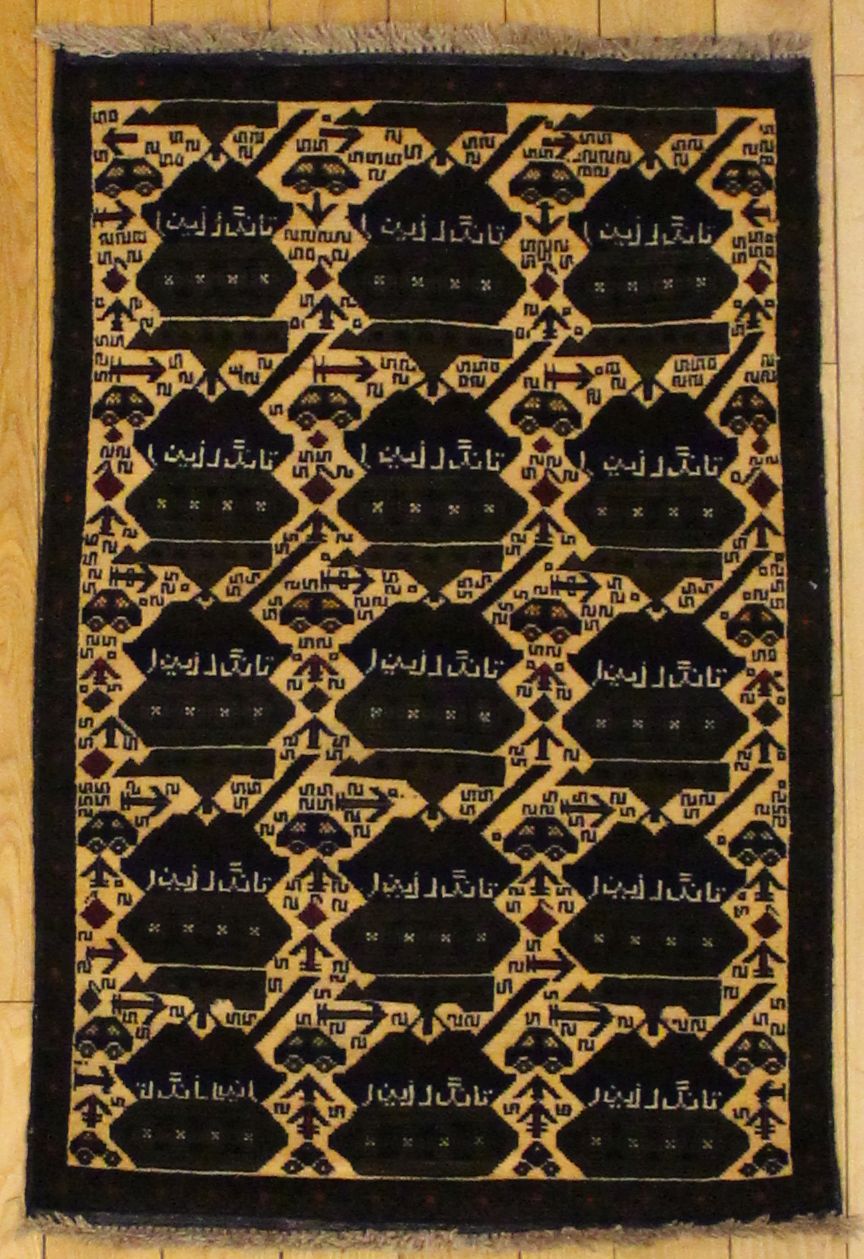
Lastly, a very unique weaving to Baluchi are War rugs. Literal tanks, guns, planes, and grenades are often woven into war rugs. Sometimes these motifs repeat throughout the field, and sometimes they are pictorial pieces depicting a battle between Afghan and Russian forces. Modern Baluchi war rugs will even incorporate drones in their designs.  In these areas, the people weave what they see, and unfortunately, they have been exposed to all too much war and violence. While a tragic reminder of a difficult life for these folks, war rugs make for very interesting and unique designs as no other style of rug embraces these motifs.

17-122304
An interesting consequence of the unfortunate amount of war this region has seen over the years, “War Rugs” use distinct war motifs all throughout their designs.


17203026_1387415551330649_398135536548218379_nBy: Matt Gabel

Matt Gabel is the Retail Manager at Serafian’s Oriental Rugs. He has been working closely with rugs for over 25 years.  Serafian’s offers free pick up and delivery in the Albuquerque metro area. For more information, call (505) 504-RUGS or go to serafians.com
How to pick the right pad for your rug – 10 quick tips

Finding that perfect rug for your home or office can feel like the end of the rug buying process, but it is important to never forget pad for your rug and floor below it. The right kind of pad will help to keep your rug looking great, keep it from slipping on your floors, and even protect the floors themselves. The important question to ask is “What is the right pad for my needs?” Here are a few tips, straight from the professionals at Serafian’s.


1 – Always Use Natural Rubber

A lot of pads in the marketplace use a synthetic rubber. This is less expensive to produce and can cost a little less, but unfortunately, these pads can have some unintended consequences on your floors. With time, pressure, and heat, these synthetic rubber pads can “sweat” a sort of oil that can stain your floor beneath the pads. They can even chemically bond to some floor finishes, leaving a huge difficult mess to clean after they are removed. For these reasons, we always recommend using natural rubber pads. If you are uncertain which your pad uses, consult a professional.


2 – “Sticky” pads can work for wall to wall carpet, but can leave a difficult to clean residue

Certain pads are designed with a “Sticky” glue that will help them keep a rug from moving. These are designed specifically for carpet and can quickly and easily cause damage to hard surface floors. However, it is important to keep in mind that these pads can leave a sticky residue on your wall to wall that once removed can attract dirt and dust. Professional carpet cleaning could be needed to remove this residue from both your wall to wall carpet and the back of your oriental. As long as this doesn’t bother you, “Sticky” pads can work well for your floors.


3 – A pad should be cut to be a little inside the measurements of your rug

Over time, pads tend to stretch out a little. As such, it is a good practice to cut any pad a little smaller than your rug. We recommend at least 1 inch inside the measurement of the rug around all sides.


4 – “Solid” pads provide much better protection than “Waffle” pads

One of the main reasons to have a pad under your rug is to protect the floor beneath it and unfortunately the “Waffle” style pads with holes in the construction just don’t provide that protection. With time, dirt will work its way through your rug and grind away at the floor underneath. A “Solid’ pad constructed with no holes will prevent this from happening. A waffle pad will allow that dirt to grind away at the floor and can even ultimately sand the surface of your floor, leading to expensive floor refinishing.


5 – Never ever use horsehair pads

Horsehair pads are almost never used in the modern rug industry, so there is little risk of coming across one these days. However, if you happen across one, it is best to throw it in the garbage before using it on your floor. Originally touted for their long life span, horsehair pads have the unique problem that they attract moths. Once infested, these pads can cause years of headaches trying to eliminate the moths. For this reason, we recommend never using a horsehair pad.


6 – The pads designed to be used under your wall to wall carpet won’t work for your rugs

A lot of folks think that the rugs pads that are used under wall to wall carpets are just as effective for your oriental rugs. Unfortunately, their construction is too soft for oriental rugs. The squishiness of these pads can cause the foundation of your rug to stretch and even possibly tear. A more robust and stiff pad is ideal for your rug.


7 – All pads eventually wear out and need to be replaced

Most pads are made to last 4 to 5 years. Some of the best pads in the marketplace will last closer to 10 years, but eventually, all pads need to be replaced. As a rule of thumb, when your pad starts loose its gripping power, it is time. Occasionally look at the underside of your rug, if you can clearly see the rubber on your pad becoming a fine powder, your pad has aged enough, and a replacement might be necessary.


8 – If your rug is going under furniture, a thinner pad works better also, use furniture cups and even possibly put tile under your pad

The weight of furniture can cause the foundation of your rug to stretch and become uneven over time. If the furniture is heavy enough it can even punch holes in your rug. With this in mind, when furniture is going on top of your rug, we recommend a thinner pad for under it. An important side note, even with a good pad underneath, it can be necessary to use furniture cups to help distribute the weight of your furniture into the rug. Also, it may sound a little strange, but if your rug is on a wall to wall carpet, we often recommend setting small tiles (say 4”x 4”) between the floor and pad beneath the legs of your furniture. This will create a more solid foundation for your rug, helping to prevent the foundation from stretching due to the weight of the furniture.


9 – If you have a tile floor, a thicker pad is better for your rug

The grout lines in tile can eventually cause your rug to wear unevenly. With time, you will even begin to see the line of the tile wear into the body of your rug. This is best prevented with a pad that is a little thicker and less prone to settling into these lines. If you have both heavy furniture and tile, talk to a rug professional to find out which pad is right for your situation. In those cases we generally recommend the thicker pad, but it is important to factor in all the variables of your particular space before deciding which is right for you.


10 – Radiant heat floors can affect the life span of your pad and even cause some pads to stick to your floor

While very energy efficient, radiant heat floors will cut the lifespan of a rug pad down to about half of normal. If possible, turn the heat down a little. Even a few degrees will help your pad to last longer. Fortunately, the rug itself will help to insulate your home more, reducing the need to set the temperature higher. Also, it is very important is the case of radiant heat floors to use exclusively natural rubber as the synthetic we talked about earlier will be very prone to reacting to the heat from your floor.


17203026_1387415551330649_398135536548218379_n

By: Matt Gabel

Matt Gabel is the Retail Manager at Serafian’s Oriental Rugs. He has been working closely with rugs for over 25 years.  Serafian’s offers free pick up and delivery in the Albuquerque metro area. For more information, call (505) 504-RUGS or go to serafians.com