How to Protect Your Carpet During Parties

You put a lot of effort into finding and buying the perfect new Oriental rug for your home. A new rug is an investment! While we price our rugs very reasonably, this is still a luxury home purchase and one you want to take care of. This can make it scary when you invite outsiders to your home for a party. The last thing you want is red wine spilled on your rug or food dropped on it and stepped on to smash it in. Is it possible to have friends and family over to your home while also keeping your beloved area rug in good condition? It is!

Before the Party

Have your rugs professionally cleaned a few days before the party. This isn’t just to make your home look cleaner. If your guests see how immaculate your rugs are, they are more likely to be very careful with their food and drinks so as not to spill any. If they see your rugs are stained already, they probably won’t think it’s a big deal if they spill too!

As well, create “no walking” zones in your home and block off access to these areas. This is recommended if you’re highly concerned about a particular rug. Simply don’t let people go near it!

During the Party

The day of the big party has finally arrived! During the party, walk around and politely ask guests to move drinks or food away from your area rug if you notice that they are positioned in a way that could lead to a spill. You probably will only have to say it once, so don’t worry that you’ll be stuck monitoring the event instead of enjoying yourself.

As the party is winding down, get into cleaning mode. Grab a big garbage bag and throw away any half-finished food or drinks as people are saying their goodbyes and moving towards the door. This greatly limits the chances of an accidental spillage.

Remember, if there is ever a problem you can bring your rug to Serafian’s in New Mexico for expert rug cleaning and restoration. While regular vacuuming and quickly cleaning spills are important for maintaining your fine area rug, these methods are only sufficient for keeping the surface of your carpet clean. A stain or spill requires professional care in order to truly remove it. We utilize specially-built equipment that replicates traditional methods of cleaning fine oriental rugs while also utilizing the top modern technology available. Our total immersion process removes the maximum amount of dirt and contaminants, returning your beloved rug to its highest level of beauty. At the same time, this method also gently prevents any damage. 

Try your best to keep your rug clean and clear of damage, but we all know that life happens. Should an accident at your next party occur, bring your rug to us and we’ll get it back to a like-new condition!

4 Expert Advice and Tips for Choosing the Right Rug Color

Rugs are a great way to add new color to any room of the house. The right rug for your space will bring the whole room together and create a space you love. But, how can you find the right wrong? It isn’t hard to do, especially if you follow our advice!

#1 Consider the area it is going in. You want the rug to be the centerpiece of the room, which means taking the room itself into account. For a rug that’s going to last, you’ll want to make sure it can hold up to your lifestyle. A dark-colored, patterned rug will hide stains or dirt in high-activity areas like your living room. While you probably don’t want a light colored rug under your dining room table, this same rug would look fabulous in your bedroom where you don’t spill or track dirt.

#2 Think about the color of the floor. This rug is big, but you’re still going to see some floor around the edges. This is why one of the most important factors in choosing a rug is the color of the floor it will be placed on. Choosing a rug that contrasts well with the floor can do a lot to liven the space up. If you have dark wood flooring, a brightly colored rug will stand out nicely on top of it. Just the same, a dark, bold, or richly-colored rug will balance out more lightly colored flooring. 

#3 Decide what you want to stand out in the room. Do you want the rug to be the focal point or accentuate something else in the room? If you want your furniture, curtains, or painted walls to be the main focal point of a room’s design, then pick a neutral, solid colored rug. On the other hand, an eye-catching, patterned rug can brighten up a more bland space and be the focal point of the room’s color design. If you choose one of these rugs, you want to make sure you then select more plain curtains, pillows, and other accent pieces. 

#4 Match a secondary color. You don’t want everything in the room to be the same color. That’s why we encourage you to match your rug to an accent color in something else already in the space. For a living room rug, you would want to make sure it complements your sofa color, as well as matches to the accent colors in the room. Let’s say your couch is brown and your curtains are brown and beige. Our Adler White Sand rug would be perfect to bring out those hues!

A new rug is an investment! At Serafian’s, we don’t just sell rugs in New Mexico. We are leaders in the industry, so we make it our mission to educate and inform shoppers as to the best way to buy a new rug. We want you to shop with confidence so you end up absolutely loving your ultimate choice!

3 Mistakes to Avoid When Choosing Rugs

Any time you’re making a big purchase, you want to take the entire purchasing experience seriously. You wouldn’t simply show up to a car dealership and point to the first vehicle you see. You would do your research and dedicate time to finding the perfect option. Just the same, a new rug is an investment! While we price our rugs very reasonably and they certainly aren’t the same cost as a car, this is still a luxury home purchase and one you want to take the time to do right. 

At Serafian’s, we don’t just sell rugs in New Mexico. We are leaders in the industry, so we make it our mission to educate and inform shoppers as to the best way to buy a new rug. We don’t want you making any mistakes that may lead to you regretting your ultimate choice! With this in mind, here are a few common mistakes you’ll want to avoid making as you shop:

#1 Undersizing. Before you can move on to the fun part, finding a rug you think is good-looking, you must first know the size you’re shopping for. It would be a big mistake to shop for as small a rug as possible in order to save money. Undersizing makes the entire room look awkward. What you save in cost, you will lose in atmosphere! You want the rug to be large enough to be the centerpiece of the room, with all of the furniture resting partially on top or centered in the middle.

#2 Shopping too late in the decorating process. Often, the decision to buy a new rug comes because you are revamping your space. Hunting for an area rug can be one of the most enjoyable parts of the design process. After all, this rug will play a major role in defining the aesthetic of the room. Because a rug is such an eye-catching decor item, it is a mistake to wait to choose your design after paint, furniture, and other accent pieces have already been chosen. A rug should be one of the first things chosen when redecorating a space, not an afterthought.

#3 Mixing patterns. When you browse our online catalogue, you will see we have many design styles to choose from. Some have very bold, beautiful patterns. If you choose one of these rugs, you want to make sure you then select more plain curtains, pillows, and other accent pieces. When done incorrectly, mixing patterns can go bad really quickly. It’s best to leave your rug as the centerpiece and not try to have any other item compete with it.

The right rug for your space will bring the whole room together and create a space you love. By keeping these common mistakes in mind, you can be sure to avoid them. Before you know it, you’ll have found the perfect rug for you and love the way your home looks!

6 Worst Substances That can be Spilled on Your Rug

As they say… life happens. No one expects to spill and ruin their Oriental rug, but that’s why they call it an accident! That doesn’t make the stain any less bad or the rug any less ruined though! In order to avoid a terrible day and a lot of wasted money, here are a few substances you’ll want to keep far from your rug:

#1 Tomato Sauce

This natural red dye needs to be attacked as soon as possible. Quickly grab a clean towel and blot the stain. Do not rub it! A gentle carpet cleanser can often treat the stain, but you can always contact us if that doesn’t work.

#2 Wax

You may not think twice about lighting candles around your rug, but this is a mistake. Wax quickly hardens when it dries, attaching itself to carpet or rug fibers. Try to heat up the wax again to liquify it, being careful not to spread it. Dab it with a cleaning solution in order to remove any discoloration left.

#3 Coffee

Coffee’s proteins are very hard to remove by the average homeowner. These stains are best removed by the rug cleaning professionals at Serafian’s.

#4 Wine

Who doesn’t love a nice glass of red wine? Well, your rug! Wine is much harder to remove when it’s dry. For this reason, a wine stain needs to be handled as soon as it occurs.

#5 Nail Polish

This harsh chemical is incredibly hard to remove, especially when dry. It will require steam and special tools to remove this stain, so you’re better off reaching out to professional rug cleaners to help you handle this.

#6 Bleach or Other Cleaning Supplies

A harsh cleaning agent, like bleach or other chemicals, can quickly stain any surface that’s not already pure white. It works quickly and often leaves permanent damage that even professionals cannot reverse. Always remember to clean far away from your Oriental rugs, so you don’t risk even a drop spilling or splattering onto it.

Learning what to avoid spilling on your rug is only half of it. We recommend having your rug washed every two years. In fact, we so strongly want you to do this that we will wash it at half the normal price if you keep up with your biennial rug cleaning. This is incredibly beneficial to you. It allows us to catch small repairs and other issues before they become big, expensive problems. 

Serafian’s isn’t just the best place in New Mexico to buy a new rug. We also want to educate our shoppers! Our team would love to discuss how to care for your rug once you bring it home. This is just one way we show our dedication to our customers! If you’re in our area, the place to shop and educate yourself is Serafian’s. We are located at 1421 Wyoming Blvd NE Albuquerque, NM 87112 and you can also call us at (505) 504-RUGS (7847).

How Rugs are Woven

Hand weaving is much more labor intensive and time consuming than most folks realize. It can take months and in some cases even years to make a good hand woven rug. Today, we’ll talk a little bit about the processes weavers go through to bring you these beautiful works of art.


The first step is materials prep.

Weaving a rug isn’t as simple as plopping down and tying knots. Long before the weaver even sits in front of the loom there is intensive work put into preparing the materials used in the carpet. Proper preparation and grade in materials can make all the difference in a rug’s quality, so care and time are taken.

First the wool is harvested from the sheep. Believe it or not, proper harvesting along with the sheep’s diet and climate factor into wool quality in a big way. The age of the sheep, the part of the body from where the wool was harvested can also make a big difference in the feel and durability of the rug. Generally speaking, sheep from colder climates have thicker coats with softer wool while sheep from dry hot climates have shorter denser coats.

Depositphotos_5087054_original.jpg

Once harvested, the wool is cleaned, carded, then spun. Cleaning is as simple as it sounds. It eliminates dirt and grime from the freshly harvested wool.

Carding is the technique by which the wool is separated and straightened in its texture. To do this, the weavers take two brushes with many small metal bristles and work the wool between them.

Once carded, the wool is spun. It can be spun either by hand or by machine. Hand spun wool will tend to absorb dye at uneven rates and can give the rug a variegated look in the color. Machine spun wool is much more consistent in its tone and thus often used by larger production houses. In terms of quality, neither technique is superior to the other.

Depositphotos_81516354_original.jpg


From there, the next major step is pattern planning and wool dyeing.

Some rugs are woven without a pre-planned design. A lot of tribal rugs are done from memory or even as a free flow pattern that evolves as the weaver progresses. However, most rugs are planned knot by knot in advance. Their patterns sketched out on graph paper or written out in detailed instructions. As a general rule, the more colors a rug uses, the more difficult it is to weave and the more time went into the planning of it.

Once planned, the wool is dyed to the proper colors. Generally speaking, the weavers don’t dye their own wool as dyeing is a process that is reserved for masters. One could study dyeing techniques and methods for years and still not know everything there is to know about dyes and how to properly set them into the wool. If a rose color is too bright, it will look pink and garish. If a blue is too deep, it will read as black and overwhelming in a dark room. Getting the color right makes all the difference in how the rug looks.
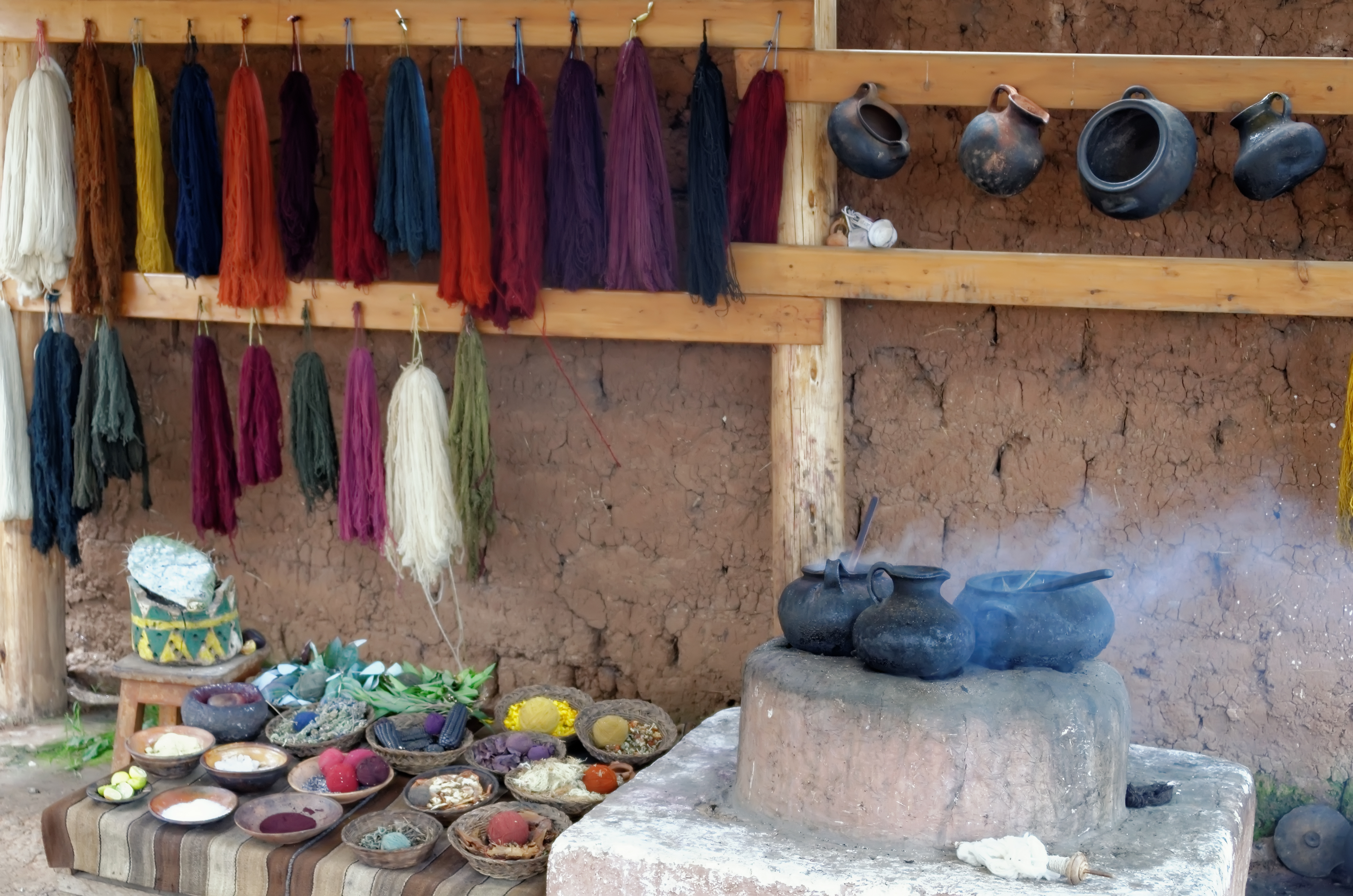
dyeing wool


Once these processes are finished, it is time to start weaving.

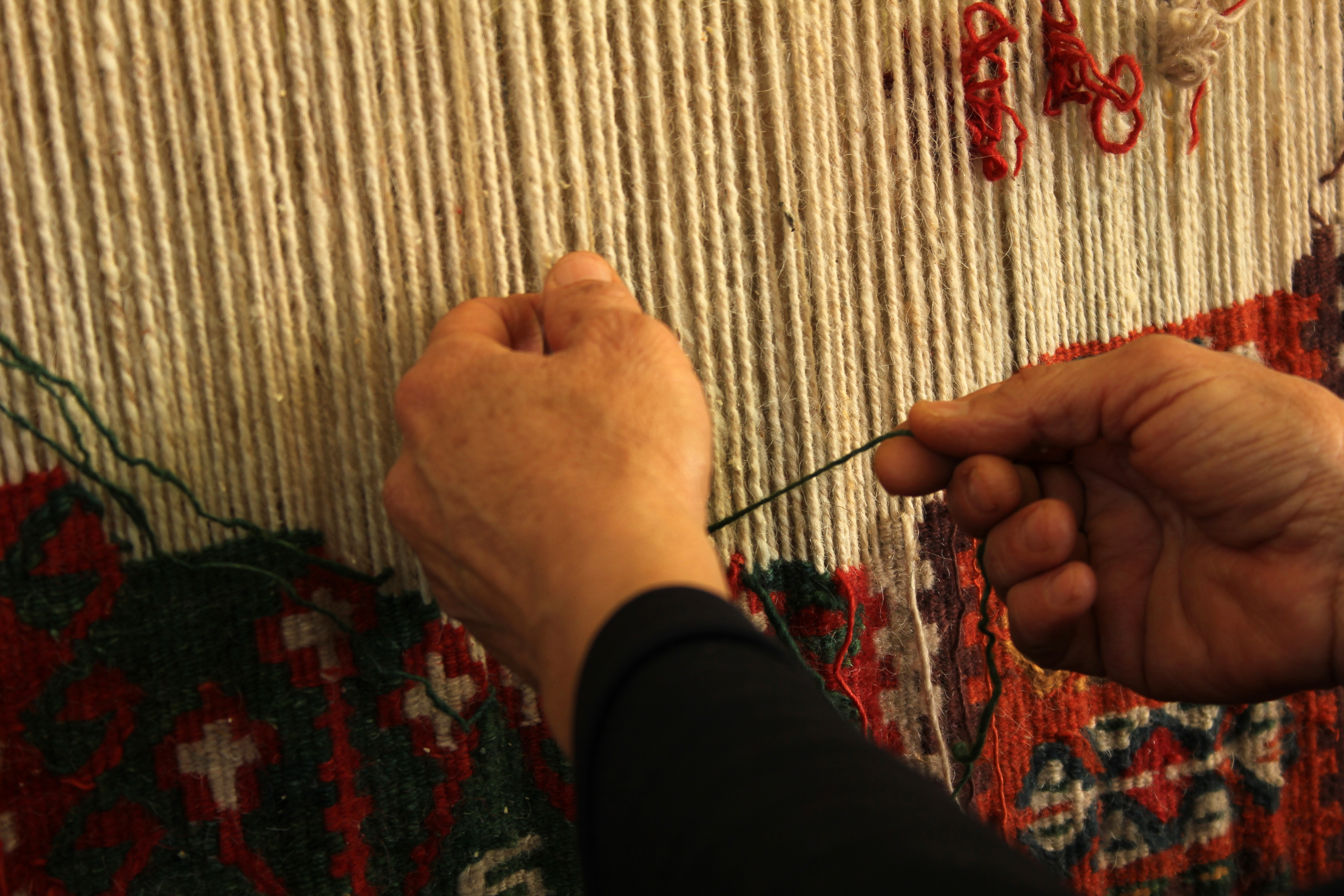
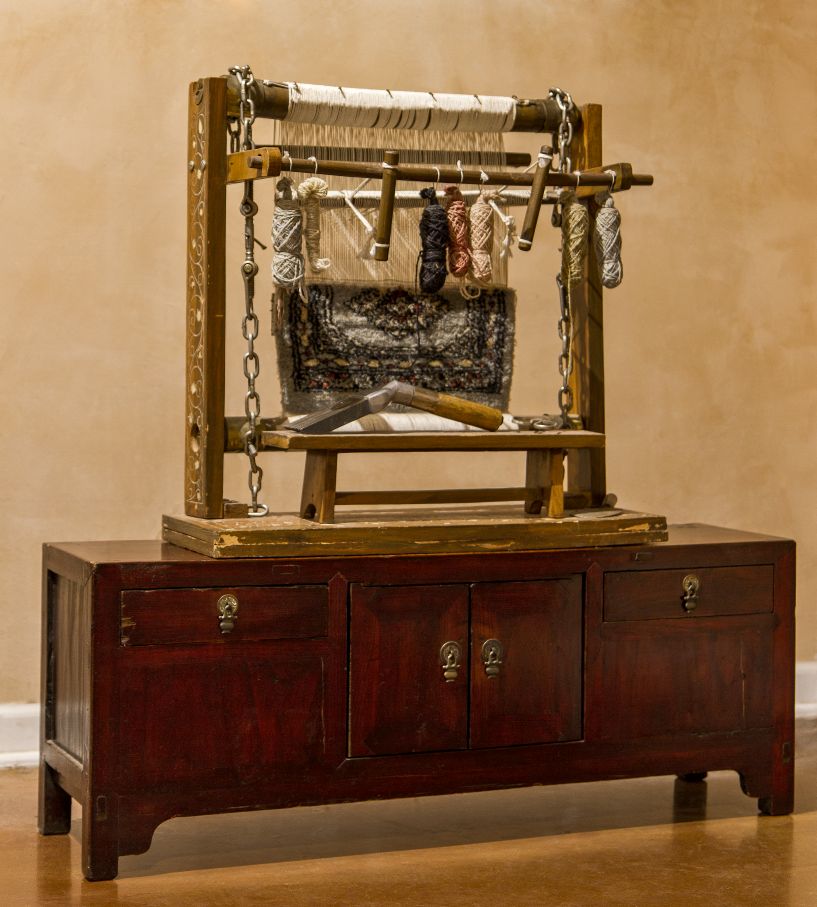
The first step in this is stringing the loom. There are different types of looms, but the basic concept is similar from one to the next. The weaver starts with the warp threads.  Warp threads run from end to end on the rug and generally are the thicker stronger threads onto which the knots are tied or wool is woven through. They need to be strung at set intervals and put under tension in order to keep the rug in proper shape, so while it sounds simple, it is a very important step for the weaver to get right.


Once the loom in strung, the weaving process can finally begin.

Most rugs are either “Knotted” or Flat woven”. Knotted rugs are tied, one knot at a time, building slowly from the bottom of the loom toward the top. Each knot wraps around two warp fibers, ensuring a strong hold and creating tremendous strength and durability in the rug. Knots are added one at a time, horizontally across the width of the rug.  Once a whole row has been tied, a weft thread is worked zig zagging between the warp fibers. This is then pounded down to hold the knots in place. Some rugs have multiple wefts between each row of knots. Most traditional Persian and Turkish rugs use this technique.

Flat woven rugs don’t have knots at all.  Rather their pattern is created by the wefting. In most flat woven rugs, the colored wool is strung zig zagging through the warp threads. These interweaving strands of colored wool creates the pattern in the rug. Much like knotted rugs, flat woven rugs are usually woven one line at a time, though there are techniques that don’t require this. Kelims and Native american rugs are the two most common types of rugs woven using this technique.
Depositphotos_7300538_original.jpg

This step is by far the most involved. The more finely woven and complicated the rug, the longer it takes. Some of the finest Persian rugs can easily take upwards of a year or two to weave. Once the weaving is complete, the rug is cut down from the loom and the finishing processes can begin.


Lastly the rug goes through the final finishing steps.

Finishing includes three major steps, shearing, detailing, and washing. Shearing is done to make the surface of the rug nice and even. Once taken off the loom, the weaver will slowly go over the whole surface of the rug with electric clippers, specialized scissors, or in some cases even curved knives. Using one or more of these tools, they will lightly trim the surface of the rug to ensure the fibers are all even and the surface of the rug is flat.

Detailing is simply the process by which the weaver slowly goes over the surface of the rug checking for any additional work or attention that the rug may need. Is this phase, the weaver may put extra work into the finish or fringe. They may decide to tie extra tassels onto the end, braid the fringes, or even use bits of colored wool to add some depth to ends or sides. Details like this can make a rug stand out as a little more unique and individualized.

As the rug is woven on the loom, it gathers dust, odors, and small bit of debris from its surrounding. As such, it is always important the rug be cleaned before it is taken to market. Cleaning is usually done by a specialist as a final step.  Once all of these steps are done, the rug is finished and ready to take to market.



17203026_1387415551330649_398135536548218379_n By: Matt Gabel

Matt Gabel is the Retail Manager at Serafian’s Oriental Rugs. He has been working closely with rugs for over 25 years.  Serafian’s offers free pick up and delivery in the Albuquerque metro area. For more information, call (505) 504-RUGS or go to serafians.com

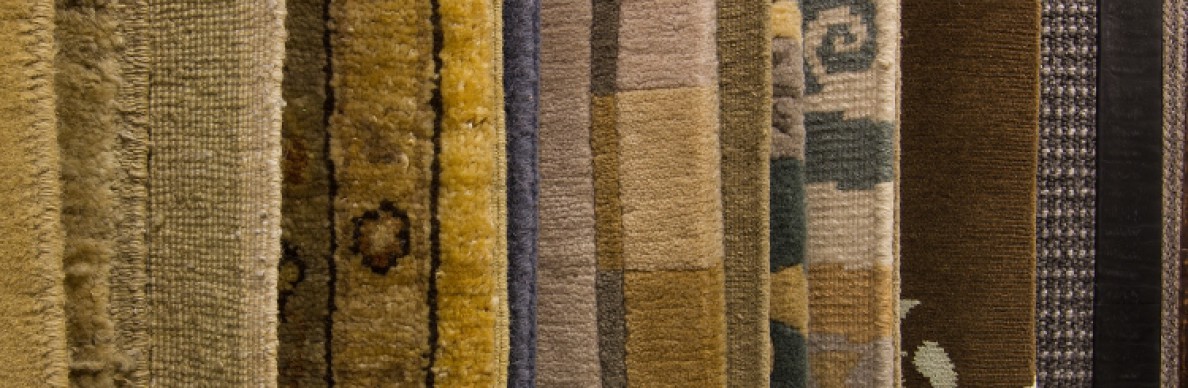
How to pick the right pad for your rug – 10 quick tips

Finding that perfect rug for your home or office can feel like the end of the rug buying process, but it is important to never forget pad for your rug and floor below it. The right kind of pad will help to keep your rug looking great, keep it from slipping on your floors, and even protect the floors themselves. The important question to ask is “What is the right pad for my needs?” Here are a few tips, straight from the professionals at Serafian’s.


1 – Always Use Natural Rubber

A lot of pads in the marketplace use a synthetic rubber. This is less expensive to produce and can cost a little less, but unfortunately, these pads can have some unintended consequences on your floors. With time, pressure, and heat, these synthetic rubber pads can “sweat” a sort of oil that can stain your floor beneath the pads. They can even chemically bond to some floor finishes, leaving a huge difficult mess to clean after they are removed. For these reasons, we always recommend using natural rubber pads. If you are uncertain which your pad uses, consult a professional.


2 – “Sticky” pads can work for wall to wall carpet, but can leave a difficult to clean residue

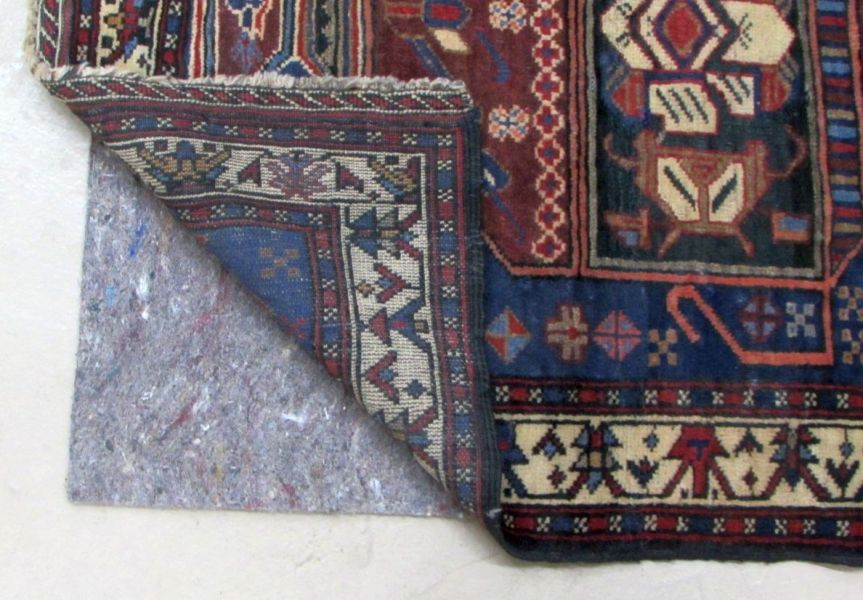
Certain pads are designed with a “Sticky” glue that will help them keep a rug from moving. These are designed specifically for carpet and can quickly and easily cause damage to hard surface floors. However, it is important to keep in mind that these pads can leave a sticky residue on your wall to wall that once removed can attract dirt and dust. Professional carpet cleaning could be needed to remove this residue from both your wall to wall carpet and the back of your oriental. As long as this doesn’t bother you, “Sticky” pads can work well for your floors.


3 – A pad should be cut to be a little inside the measurements of your rug

Over time, pads tend to stretch out a little. As such, it is a good practice to cut any pad a little smaller than your rug. We recommend at least 1 inch inside the measurement of the rug around all sides.


4 – “Solid” pads provide much better protection than “Waffle” pads

One of the main reasons to have a pad under your rug is to protect the floor beneath it and unfortunately the “Waffle” style pads with holes in the construction just don’t provide that protection. With time, dirt will work its way through your rug and grind away at the floor underneath. A “Solid’ pad constructed with no holes will prevent this from happening. A waffle pad will allow that dirt to grind away at the floor and can even ultimately sand the surface of your floor, leading to expensive floor refinishing.


5 – Never ever use horsehair pads

Horsehair pads are almost never used in the modern rug industry, so there is little risk of coming across one these days. However, if you happen across one, it is best to throw it in the garbage before using it on your floor. Originally touted for their long life span, horsehair pads have the unique problem that they attract moths. Once infested, these pads can cause years of headaches trying to eliminate the moths. For this reason, we recommend never using a horsehair pad.


6 – The pads designed to be used under your wall to wall carpet won’t work for your rugs

A lot of folks think that the rugs pads that are used under wall to wall carpets are just as effective for your oriental rugs. Unfortunately, their construction is too soft for oriental rugs. The squishiness of these pads can cause the foundation of your rug to stretch and even possibly tear. A more robust and stiff pad is ideal for your rug.


7 – All pads eventually wear out and need to be replaced

Most pads are made to last 4 to 5 years. Some of the best pads in the marketplace will last closer to 10 years, but eventually, all pads need to be replaced. As a rule of thumb, when your pad starts loose its gripping power, it is time. Occasionally look at the underside of your rug, if you can clearly see the rubber on your pad becoming a fine powder, your pad has aged enough, and a replacement might be necessary.


8 – If your rug is going under furniture, a thinner pad works better also, use furniture cups and even possibly put tile under your pad

The weight of furniture can cause the foundation of your rug to stretch and become uneven over time. If the furniture is heavy enough it can even punch holes in your rug. With this in mind, when furniture is going on top of your rug, we recommend a thinner pad for under it. An important side note, even with a good pad underneath, it can be necessary to use furniture cups to help distribute the weight of your furniture into the rug. Also, it may sound a little strange, but if your rug is on a wall to wall carpet, we often recommend setting small tiles (say 4”x 4”) between the floor and pad beneath the legs of your furniture. This will create a more solid foundation for your rug, helping to prevent the foundation from stretching due to the weight of the furniture.


9 – If you have a tile floor, a thicker pad is better for your rug

The grout lines in tile can eventually cause your rug to wear unevenly. With time, you will even begin to see the line of the tile wear into the body of your rug. This is best prevented with a pad that is a little thicker and less prone to settling into these lines. If you have both heavy furniture and tile, talk to a rug professional to find out which pad is right for your situation. In those cases we generally recommend the thicker pad, but it is important to factor in all the variables of your particular space before deciding which is right for you.


10 – Radiant heat floors can affect the life span of your pad and even cause some pads to stick to your floor

While very energy efficient, radiant heat floors will cut the lifespan of a rug pad down to about half of normal. If possible, turn the heat down a little. Even a few degrees will help your pad to last longer. Fortunately, the rug itself will help to insulate your home more, reducing the need to set the temperature higher. Also, it is very important is the case of radiant heat floors to use exclusively natural rubber as the synthetic we talked about earlier will be very prone to reacting to the heat from your floor.


17203026_1387415551330649_398135536548218379_n

By: Matt Gabel

Matt Gabel is the Retail Manager at Serafian’s Oriental Rugs. He has been working closely with rugs for over 25 years.  Serafian’s offers free pick up and delivery in the Albuquerque metro area. For more information, call (505) 504-RUGS or go to serafians.com

Hand woven rugs, a dying art form in a changing world

The one thing you can say with certainty about the world today is that it is changing so quickly that very little is truly certain. The last hundred years have seen significant changes in nearly every industry. Modernization happens fast and with it comes great benefit to our society. Unfortunately, this benefit is often coupled with the loss of skilled labor, hand crafted goods, and traditional techniques. As sad as we at Serafian’s are to say it, weaving is proving to be no exception to this.

Right now, the question is not “Will traditional hand-weaving die off?” so much as it is “When and how will hand-weaving die off?” In the last ten years alone, we have seen significant dropoff in production from China, Persia (Iran), and India. The internet has changed the game of retail in ways few could have predicted. The impact of globalization is being felt keenly by the weaving industry. War, politics, and economics have created vast changes and challenges and there is little doubt that weaving has been heavily impacted by these factors. By far, the biggest factor in this change is the blooming and modernizing economies of the Middle and Far East.

Woman working at the loom. Oriental Muslim national crafts. Focus on the fabric.
Hand weaving is one of the most time consuming and labor intensive art forms on the planet..

Economic realities change fast. This is doubly true for countries with emerging economies. As an art form, weaving is very time consuming. Rugs are built literally one knot at a time, each thoughtfully placed and tied in by hand. A large hand woven rug can easily take over a year to make. By contrast, that same rug may only ever command a top price of a few thousand dollars. When you take into account the markups of various retailers and wholesalers, for an entire year’s worth of work, a skilled weaver may end up taking home less than one thousand dollars. It becomes easy to see how in a burgeoning economy the job of weaving eventually makes less and less sense.

Dyed Wool - 02.jpg
Every step in the weaving process takes both time and skill.  Even the “simple” act of dyeing wool is an art form in and of itself.

On the other side of the coin, but equally devastating to the hand weaving industry, are machine woven rugs. A large machine woven rug can be finished in a matter of hours instead of months or years. A machine woven rug will easily cost a third or less the price of a similarly sized hand woven rug. While the quality is not the same, their rapid, repetitive, and commoditized production actually lends itself to our modern internet driven marketplace. This creates even further pressure on the hand weaving industry, forcing many weavers to look elsewhere for employment.

While it is difficult to predict exactly when hand weaving will die out, it is easy to see its end on the horizon. There aren’t many art forms out there that are as time consuming and labor intensive and weaving. With so much time and effort behind the weaving industry, modernization, simplification, and change become inevitable. While it will be sad to see these treasures of the middle East disappear, it is easy to understand the forces behind this change. Time keeps moving forward, the world keeps changing, and one thing that is certain certain is that the weaving industry will change with it.


17203026_1387415551330649_398135536548218379_n

By Matt Gabel

Matt Gabel is the Retail Manager at Serafian’s Oriental Rugs. He has been working closely with rugs for over 25 years.  Serafian’s offers free pick up and delivery in the Albuquerque metro area. For more information, call (505) 504-RUGS or go to serafians.com
 

Know your fibers! – What to look for and be aware of when shopping for your ideal rug.

When you are looking to buy an oriental rug, is your first thought, “What material is this rug made out of?”. If not, it probably should be. For centuries, the standard has been to weave rugs out of wool or silk. Both of which are great fibers. Here at Serafian’s, we have seen how the industry has been changing in big ways. Over the course of these last years new fibers have found their way into the marketplace. In additional to wool and silk, we are seeing a lot more rugs made of both olefin and viscose.

Serafian's 2016
Knowing how long a fiber will last under traffic is an important questions when buying an oriental rug.


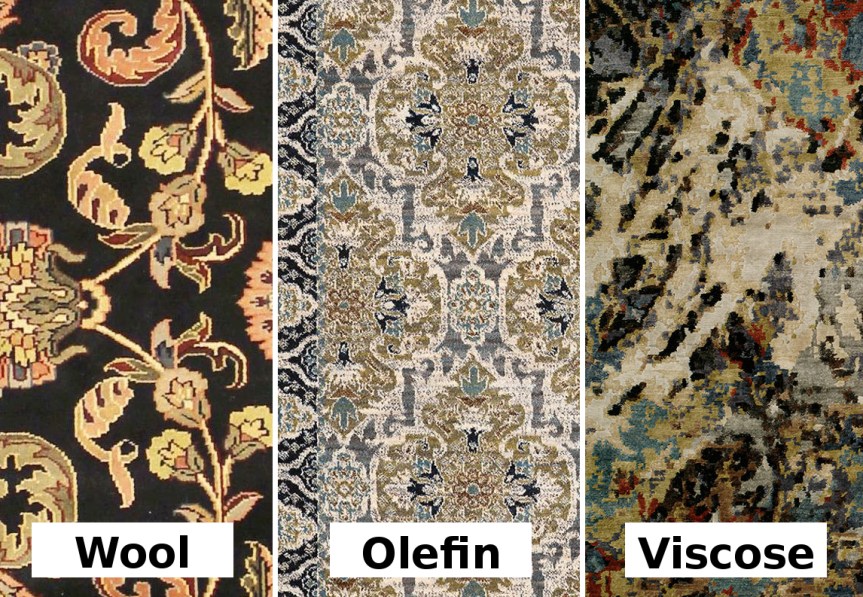
Wool and silk are by far the best fibers for rugs. Both wear incredibly well over time, insulate and protect your floor, and are even stain resistant on their own. Wool in particular has been has been the weaving standard for centuries. An average wool fiber has lanolin, the sheep’s natural oil, present in it. This helps to give the wool both body and pliability. A wool fiber can bend and flex hundreds of thousands of times over its life. This flexibility is key to its durability as a fiber. When properly cared for, good wool in a rug will last a century or more.

In the middle of the spectrum is olefin. Olefin is plastic that has been refined to look and feel like carpet fiber. The upside to this fiber is that is often comes from post consumer plastic, essentially recycled materials. The empty water and soda bottles that clog our rivers and oceans can be stretched, spun, dyed, and reused to make colorful decorative rugs for your floor. The downside is that it just doesn’t have the lifespan of good wool rugs. Where wool remains flexible for its whole life, olefin eventually begins to become stiff and will more readily start to break down. Where a wool rug will last a century or more, a good olefin rug is usually made to last 10 to 15 years. However, olefin rugs tend to be very inexpensive and while not as long lived as wool rugs, are generally a very good value for the money.

Lastly, at the bottom of our list, is viscose. Unfortunately, viscose fibers are a recent and very popular trend. Viscose is treated plant fiber that has chemically been made to look and feel like silk, but beware as this imposter is anything but! Silk is much more difficult to make in quantity and much higher in quality than viscose. Like wool, silk is a protein fiber that will last for years. By comparison, viscose breaks down quickly, losing its luster and plushness. This is due to the fact that plant fibers in general tend to lack the flexibility. Where protein fibers such as wool and silk will bend and flex, plant fibers such as cotton, jute, and viscose will much more quickly break down. This leads to an average life span that is much shorter.

Let the buyer beware. It is very common to see viscose rugs called silk by unscrupulous or even unknowing retailers, but there is a sure fire test to know which fiber you are looking at. Cut and take a small amount of the material in a set of pliers, burn it, and smell the smoke lifting off it. Viscose and similar cotton fibers smell like paper when burned where silk smells like burning hair. Where good wool and silk rugs can last for a century or more and olefin will last for a decade or two, I expect that most Viscose rugs will have an average life span of 5 to 10 years before real problems start to develop.

Two rugs on the floor
A Good wool rug can last for generations.  Olefin rugs will tend to wear out after ten to fifteen years and viscose rugs with likely wear our within five to ten.

For this reason, when you look to buy a good rug, it is always important to ask what it is woven with. Knowing what material your rug is made out of will quickly tell you a lot about its longevity. By no means is this the only factor in durability, but it is without a doubt the most important.


17203026_1387415551330649_398135536548218379_n

By: Matt Gabel

Matt Gabel is the Retail Manager at Serafian’s Oriental Rugs. He has been working closely with rugs for over 25 years.  Serafian’s offers free pick up and delivery in the Albuquerque metro area. For more information, call (505) 504-RUGS or go to serafians.com
 

How to Protect your Rugs from Moths and Carpet Beetles

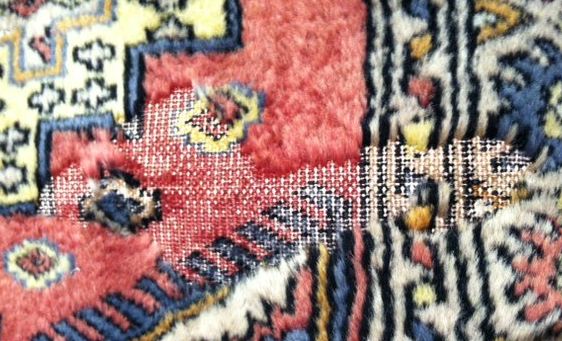
While spring brings welcome rain and flowers blooming, it also brings bugs. Lots of them. Wool moths, Tineola Bisselliella and carpet beetles, Anthrenus Verbasci. If any creatures on the planet can be called the enemy of oriental rugs, it’s these little buggers. These pesky intruders literally eat through the wool of your rug, causing damage quickly and quietly.

Too frequently, beautiful hand woven Persian or Navajo rugs come to Serafian’s for cleaning only to find the rugs have been destroyed by moths or carpet beetles. Worse yet, they often move swiftly, leaving a trail of damage in their wake.

Moth - 02
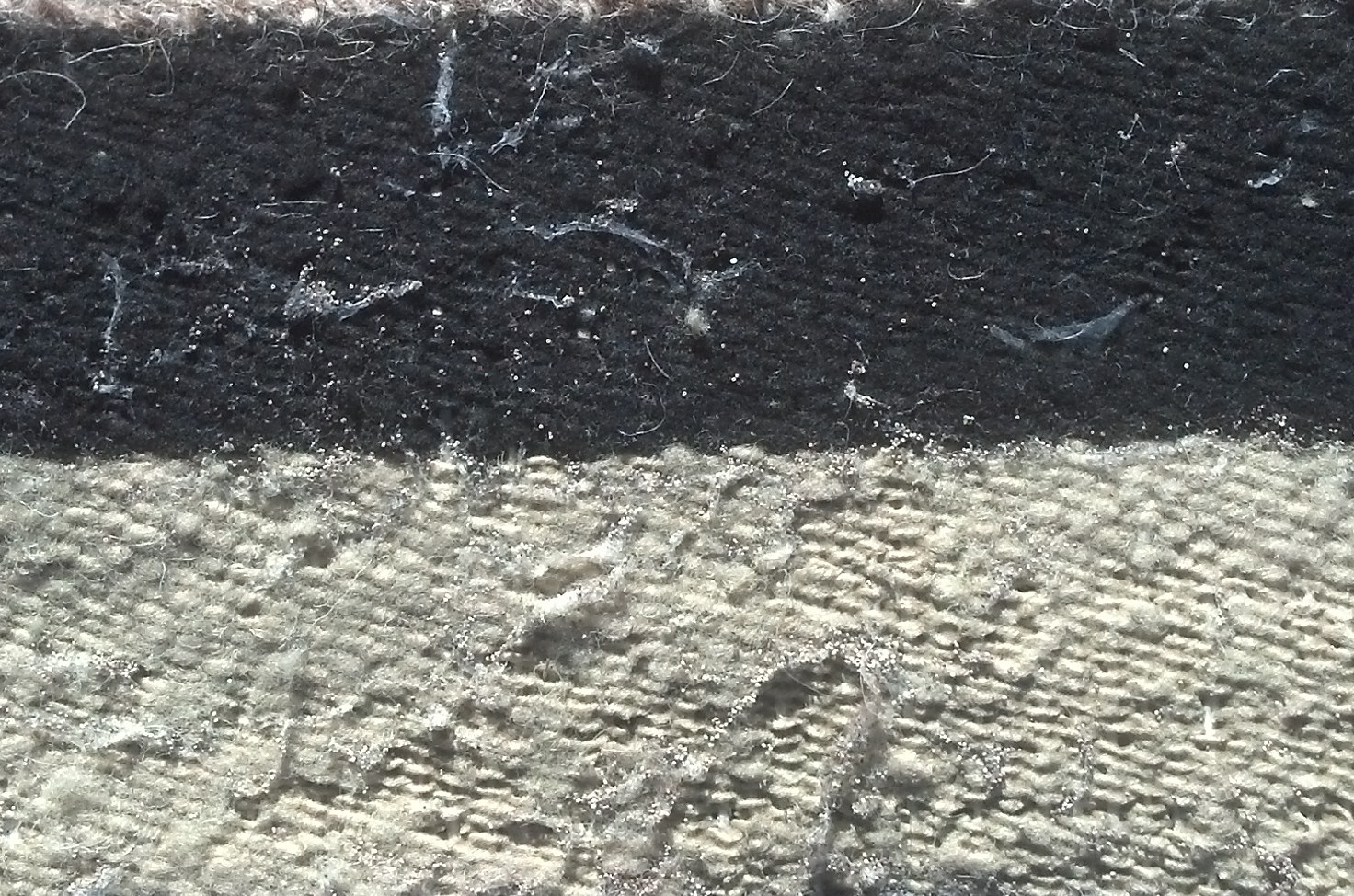
The damage in this rug occurred in about 1 to 2 weeks time.

The lifespan of the average carpet moth is very short, the larvae phase lasts on average about two weeks to a month, and the adult phase about another month. Only the larvae eat wool, so while you are more likely to see the adults fluttering through your home, it’s the larvae that do the real damage. Unfortunately, this means that a rug can go from undamaged to having a huge hole in just a couple of weeks. Carpet beetles, however, do damage over more time, with a much longer lifespan and some subspecies living as long as three years. Unlike their moth counterparts, carpet beetles will eat at your rug for their entire life. In either case, quick identification, elimination, and prevention are the keys to keeping your rugs safe.

For a little more information on Moths, check out our very “Tongue-in-cheek” video here — https://www.youtube.com/watch?v=xvgxRnEqJKg

How do you identify them? For wool moths, keep an eye out for the adults flitting around your home or the eggs laid on the surface or on the back of your rugs. The large moths that we see every year here in the early months of summer are no threat to your rugs. Adult wool moths are small, about the size of a grain of rice. They are tan in color with no particular design or pattern on their wings. The eggs look like grains of sand held together by spider webs.

Moth - 01
The eggs themselves are tiny, about the size of a grain of sand.  The silky webbing from the parents hold the eggs in place.

Carpet beetles are tiny, about the size of a pinhead. You can identify them by finding either the beetles themselves or by finding small black or brown husks or shells. In both cases, the insects like to attack dark and undisturbed areas on your rugs. So look for them under your furniture, rolled up in your closets, and on the backside of any rugs hanging on the walls.

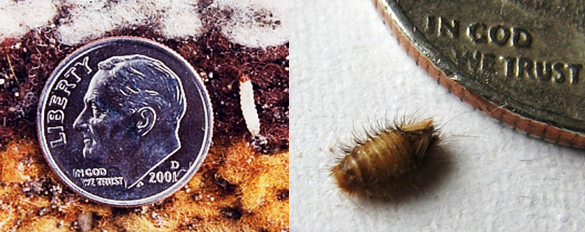
Moth and Carpet beetle larva
These critters are pretty tiny. – Pictured above, the larval forms of each.

Elimination is a little trickier. You need to not only eliminate the moths, beetles, and eggs on the rug itself, but also any that might be in the surrounding area. Most insecticides are effective at killing any living infestation, but unfortunately not that great at killing off the eggs. Also, any use of insecticides in the home comes with risk to one’s own health and safety. Instead, we recommend you have your rugs professionally washed by a cleaner who knows how to eliminate these infestations. Proper temperature control and handling will eliminate any eggs that have been laid into the foundation of your favorite carpet. As for your home, thorough cleaning of any area exposed to infestation is very important as the eggs can slips into the cracks of your wood floor or down into your wall-to-wall carpet. As with your rugs, we recommend utilizing professional cleaners. If after taking these steps, the moths or beetles persist, it’s time to get in touch with an exterminator.

As with most things, an ounce of prevention is worth a pound of cure. Various sprays can help to repel moth infestation, regular inspection goes a long way to identifying a problem before it spirals out of control, and proper wrapping and storage of unused rugs can easily prevent infestation. Always remember that if you take a little time to ensure that your rugs stay moth and beetle free, it will ensure your favorite rugs stay beautiful and valuable for many years to come.


17203026_1387415551330649_398135536548218379_n

By: Matt Gabel

Matt Gabel is the Retail Manager at Serafian’s Oriental Rugs. He has been working closely with rugs for over 25 years.  Serafian’s offers free pick up and delivery in the Albuquerque metro area. For more information, call (505) 504-RUGS or go to serafians.com

How to Quickly Judge Quality in Hand Woven Rugs – A Buyer’s Guide to Hand Woven Rugs

When it comes to hand woven rugs, it can be tough to know exactly what you are looking at. In truth, while there are many factors that go into determining the quality of a rug, there are four to focus on.

First is knot count, or knots per square inch. In a hand woven rug, each not is tied one at a time, and much like the pixels on your computer screen, the number of knots per inch affects the resolution of the design in the rug. Most rugs are woven at 100 to 150 knots per square inch. Some of the finest rugs in the world are woven at 1,000 knots per square inch. The number of knots in a square inch tells you not only how fine the rug is, but also, how much time and work went into the rug. If a rug has twice as many knots, it took at least twice as long to weave. For this reason, knot count, more than any other factor, affects the price of your rug.

So how can you tell how many knots per square inch? To count the knots, use a ruler and examine the backside of the rug. In most rugs, each square you see is an individual knot. Simply count the number of squares both horizontally and vertically across the length of an inch then multiply the two numbers together. It’s important to note there are two types of knotting common in hand weaving. Asymmetrical (Or Persian) knotting leaves a single square on the back for each knot. However, the style of knotting known as symmetrical (Or Turkish) knotting leaves two squares on the back for each knot. If you notice that every single knot seems to have a twin, you are probably looking at a rug that uses the symmetrical knotting techniques. For these rugs, simply take whatever knot count you came up with and cut it in half.

The second factor to look at is thickness. As a general rule, the thicker the pile on a rug, the longer it takes for the rug to wear out. This is the easiest of all the factors to judge. It is simply defined by the heights of the pile. As a nice side benefit, thicker rugs tend to be softer underfoot and much more comfortable to walk on.

Third on our list of factors is weave density. Like thickness, this factor greatly affects the durability of your rug. Density is determined by how tightly packed together the fibers of your rug are. When a rug is more densely woven, the fibers provide each other with more support which helps to prevent excess wear from use and also keeps dirt from settling into the foundation of the rug where is grinds at the roots of the weaving. To test density, take your fingers, and try to run them into the foundation of the rug. The more difficult it is to do this, the more densely woven the rug is.

The fourth and final factor is wool quality. A good wool has an oily and supple feel, where a poor quality of wool will feel dry and “brashy” to the touch. A good wool will be more able to bend and flex though years of heavy use, where a bad wool will break apart under traffic and tends to wear out much more quickly. This is probably the most difficult of the four factors to judge, but the general rule is that a good wool feels good to the touch, while a bad wool, not as much.
Just remember to look out for the four big factors, knot count, thickness, density, and wool quality. Generally speaking, as long as you keep these in mind, you will have a good idea of what you are looking at when buying a hand woven oriental rug.


17203026_1387415551330649_398135536548218379_n

By: Matt Gabel

Matt Gabel is the Retail Manager at Serafian’s Oriental Rugs. He has been working closely with rugs for over 25 years.  Serafian’s offers free pick up and delivery in the Albuquerque metro area. For more information, call (505) 504-RUGS or go to serafians.com